
Author name: stu.skillselephant@gmail.com

Uncategorized

How to Prepare Your Child for Their First Dental Visit: A Parent’s Guide

🦷 Taking your child to the dentist for the first time is a big milestone — and like any “first,” it can come wit a mix of excitement and nervousness (for both of you!). At Gentle Dental we believe that a child’s first dental visit should be positive, gentle, and even fun. Here’s how you can prepare your child — and yourself — for a smooth and stress-free first dental visit. Table of Contents 🗓️1. Schedule the Visit Early (But Not Too Late!) 🧸2. Talk About the Dentist in a Positive Way 🎒3. Pack a “Comfort Kit” 🕒4. Choose the Right Time of Day 👨‍⚕️5. Let Them Meet the Dentist First ❓6. Be Honest (But Keep It Simple) 🙌7. Stay Calm and Supportive During the Visit 🎉8. Celebrate After the Visit! 🗓️ 1. Schedule the Visit Early (But Not Too Late!) The American Academy of Pediatric Dentistry recommends that a child’s first dental visit happen by age 1 or within 6 months of their first tooth erupting. Early visits help: Detect issues before they become problems Build a comfortable relationship with the dentist Establish lifelong healthy habits 🧸 2. Talk About the Dentist in a Positive Way Children pick up on how we feel — so speak about the dentist in a friendly, upbeat tone. Avoid words like “pain,” “hurt,” or “drill.” Instead, use phrases like: “The dentist is going to count your teeth!” “They’ll help make your smile super shiny!” There are even children’s books and cartoons that introduce dental visits in a fun and reassuring way (e.g., Peppa Pig Visits the Dentist or The Berenstain Bears Visit the Dentist). 🎒 3. Pack a “Comfort Kit” Bring along familiar items to help your child feel secure in a new environment, such as: Their favorite toy or stuffed animal A small blanket A pacifier or teething ring (for younger toddlers) Some dental clinics (like ours!) have kid-friendly waiting areas and prizes after the appointment — so ask what’s available! 🕒 4. Choose the Right Time of Day Schedule the appointment for a time when your child is usually well-rested and in a good mood. Morning slots often work best, especially for younger children. Avoid nap times, meal times, or any moment when your child may be tired or cranky. 👨‍⚕️ 5. Let Them Meet the Dentist First If your child is very anxious, consider a quick “get-to-know-you” visit first — where they can just meet the dentist, sit in the chair, and explore the tools in a fun, non-clinical way. This helps build trust and reduces fear of the unknown. ❓ 6. Be Honest (But Keep It Simple) If your child has questions, answer them honestly — but keep explanations age-appropriate. You don’t need to go into detail about procedures; focus on how the visit will be short, gentle, and all about keeping their teeth healthy and strong. 🙌 7. Stay Calm and Supportive During the Visit Even if your child gets nervous, stay calm and reassuring. Let the dental team take the lead — they’re trained in managing pediatric patients and often have fun ways to redirect or distract a nervous child. Avoid saying things like “it won’t hurt” — this can create unnecessary fear. Instead, say things like “you’re doing great!” or “we’re almost done!” 🎉 8. Celebrate After the Visit! Make it a big deal (in a good way)! You could: Go for a special treat (like a new book or trip to the park) Praise your child for being brave Let them pick a small reward from a “prize box” This helps them associate dental visits with positive experiences.
dental-food
Uncategorized

Foods That Naturally Strengthen Your Teeth

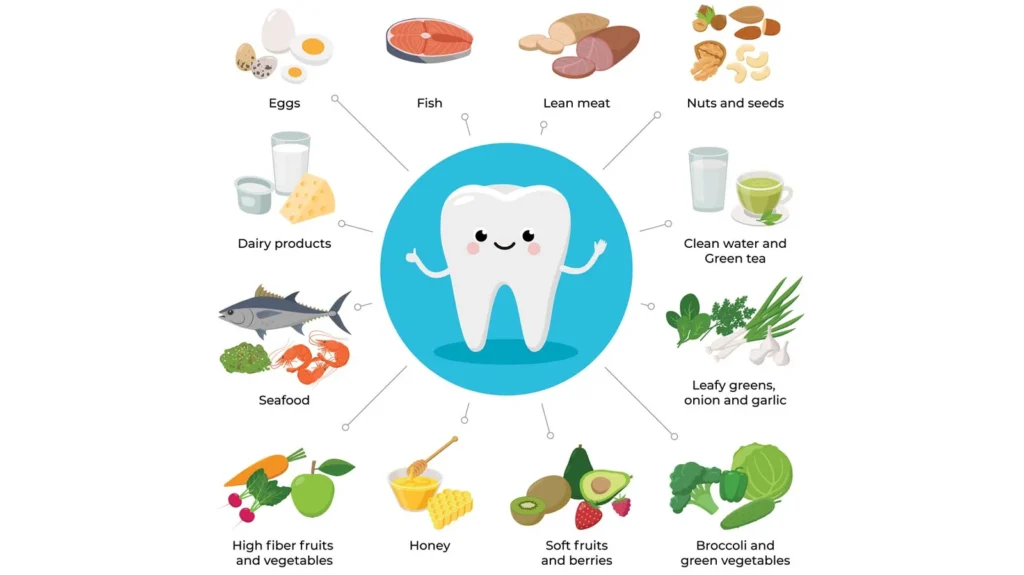
We often hear that brushing and flossing are the keys to strong, healthy teeth. While that’s true, what you eat also plays a huge role in keeping your smile strong. Certain foods provide the essential vitamins and minerals your teeth need to fight decay, rebuild enamel, and stay healthy for years to come. Here are some of the best foods to add to your plate if you want naturally stronger teeth: 1. Dairy Products 🥛🧀 Milk, cheese, and yogurt are packed with calcium and phosphorus, the building blocks of strong enamel. Cheese also stimulates saliva production, which helps wash away harmful acids in your mouth. Tip: A cube of cheese after meals can help neutralize acids and protect your enamel. 2. Leafy Greens 🥬 Spinach, kale, and broccoli are rich in calcium, folic acid, and vitamin K. These nutrients help strengthen enamel, promote gum health, and even reduce inflammation in the mouth. Tip: Add leafy greens to smoothies or salads for a nutrient-packed boost. 3. Crunchy Fruits & Vegetables 🍎🥕 Apples, carrots, and celery act like natural toothbrushes. Their crunchy texture stimulates the gums, scrubs the teeth, and increases saliva flow, which reduces bacteria. Tip: Snack on raw veggies instead of chips to clean your teeth while you eat. 4. Nuts & Seeds 🌰 Almonds, sesame seeds, and walnuts are excellent sources of calcium, magnesium, and healthy fats. These minerals help remineralize enamel and strengthen teeth. Tip: Sprinkle sesame seeds on salads or snack on almonds for a tooth-friendly treat. 5. Fatty Fish 🐟 Salmon, sardines, and mackerel are loaded with vitamin D, which helps your body absorb calcium more effectively. Without vitamin D, even a calcium-rich diet won’t do much for your teeth. Tip: Try grilled salmon or sardines a couple of times a week to support both bone and dental health. 6. Green Tea 🍵 Green tea contains antioxidants and polyphenols that reduce inflammation and fight bacteria in the mouth. Some green teas also contain fluoride, which strengthens enamel. Tip: Swap sugary sodas for unsweetened green tea to reduce cavity risk. 7. Water 💧 Simple but powerful! Water rinses away food particles, reduces acidity, and keeps your mouth hydrated, which is essential for saliva production. Tip: Fluoridated tap water is especially beneficial for protecting enamel. Final Thoughts Strong teeth aren’t just the result of brushing and flossing—they’re also built from the inside out. By eating a diet rich in calcium, vitamin D, and other tooth-friendly nutrients, you’re giving your smile the natural support it needs to stay healthy and bright.

dental
Uncategorized

Dentary Disorders and Treatments in Humans

The dentary, more commonly known as the mandible or lower jawbone, plays a critical role in chewing, speaking, and facial structure. Because of its central function, any disorder affecting the dentary can lead to pain, difficulty in daily activities, and long-term oral health problems. Understanding common dentary disorders and their treatments is key to maintaining a healthy smile and quality of life. Table of Content Common Dentary Disorders 1. Mandibular Fractures (Jaw Fractures) Cause: Trauma from accidents, sports injuries, or falls. Symptoms: Swelling, bruising, pain while chewing, misaligned bite, or inability to open/close the mouth. Treatment: Depending on severity, treatments range from wiring the jaw shut to surgical fixation with plates and screws. 2. Temporomandibular Joint Disorders (TMJ or TMD) Cause: Stress, teeth grinding (bruxism), arthritis, or jaw misalignment. Symptoms: Jaw pain, clicking or popping sounds, headaches, difficulty opening/closing the mouth. Treatment: Lifestyle changes (stress reduction, avoiding hard foods), physical therapy, dental splints, medications, or in severe cases, surgery. 3. Mandibular Osteomyelitis (Bone Infection) Cause: Untreated dental infections, trauma, or surgery that allows bacteria to spread into the jawbone. Symptoms: Severe pain, swelling, pus discharge, fever, and bone destruction. Treatment: Antibiotics, surgical removal of infected tissue, and in chronic cases, bone grafting. 4. Mandibular Tumors and Cysts Cause: Abnormal cell growth, often linked to genetics, infection, or other oral diseases. Symptoms: Swelling, asymmetry in the jaw, numbness, or persistent pain. Treatment: Surgical removal of tumors or cysts, sometimes combined with reconstructive surgery to restore function and appearance. 5. Developmental and Congenital Disorders Examples: Micrognathia (small jaw), prognathism (protruding jaw), and jaw asymmetry. Cause: Genetic conditions or developmental issues. Symptoms: Misaligned teeth, difficulty chewing, speech problems, and aesthetic concerns. Treatment: Orthodontics, orthognathic (jaw) surgery, or a combination of both to improve function and appearance. Modern Treatment Approaches Orthognathic Surgery – Surgical correction of jaw deformities to restore function and symmetry. Dental Implants & Prosthetics – To replace missing teeth and maintain jawbone health. Bone Grafting – Restores lost bone from trauma, infection, or congenital issues. 3D Imaging & Digital Surgery Planning – Ensures precise diagnosis and minimally invasive treatment. Physical Therapy & Rehabilitation – Helps patients regain normal jaw movement after surgery or injury. Maintaining Dentary Health Practice good oral hygiene to prevent infections. Use mouthguards during sports to protect against fractures. Manage stress to reduce teeth grinding. Schedule regular dental check-ups for early detection of problems. Final Thoughts The dentary is more than just a bone — it’s central to your ability to chew, speak, and smile confidently. From fractures and infections to developmental conditions, dentary disorders can significantly affect your health and daily life. Fortunately, modern dentistry and surgical techniques provide effective treatments that restore both function and aesthetics. If you notice persistent jaw pain, swelling, or misalignment, consult a dental or maxillofacial specialist promptly — early treatment can prevent complications and preserve your smile.

oral-health-problems
Uncategorized

The Connection Between Oral Health and Overall Health

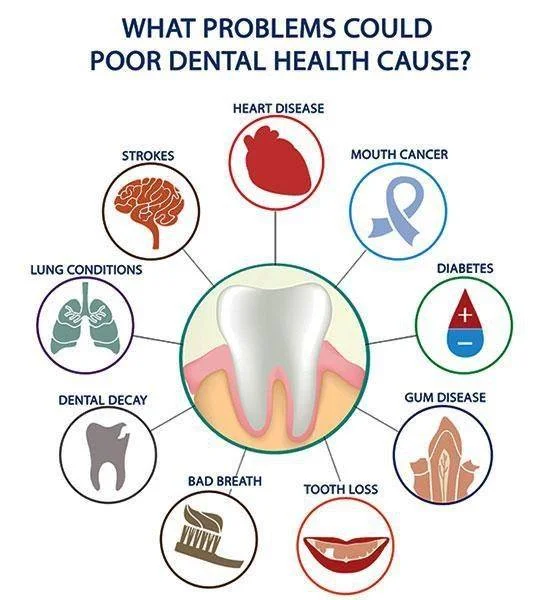
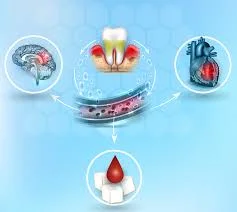
When most people think of oral health, they picture a bright smile, fresh breath, and cavity-free teeth. But your mouth is more than just a window to your smile — it’s also a mirror of your overall health. Increasingly, research shows that problems in the mouth can have a direct impact on the rest of the body. Here’s how your oral health and general health are deeply connected. 1. Gum Disease and Heart Health ❤️🦷 One of the strongest links in medicine is between periodontal (gum) disease and cardiovascular disease. Inflammation in the gums can allow harmful bacteria to enter the bloodstream. These bacteria may contribute to clogged arteries, increase the risk of stroke, and worsen existing heart conditions. Takeaway: Treating gum disease may help reduce risks for serious heart problems. 2. Diabetes and Oral Health 🩸 The relationship between diabetes and gum disease goes both ways: People with diabetes are more likely to develop severe gum infections. Gum disease can make it harder to control blood sugar, leading to more complications. Takeaway: Maintaining oral hygiene is crucial for people managing diabetes. 3. Respiratory Conditions 🌬️ Bacteria from infected gums and teeth can be inhaled into the lungs. This can worsen pneumonia, chronic bronchitis, and COPD. Seniors and immunocompromised patients are especially at risk. Takeaway: Good oral care reduces the bacterial load that could affect breathing. 4. Pregnancy and Oral Health 🤰 Hormonal changes during pregnancy increase the risk of gingivitis and gum disease. Severe gum infections have been linked to premature births and low birth weight. Takeaway: Expectant mothers should pay extra attention to dental check-ups. 5. Oral Health and Mental Health 🧠 Poor oral health can lower self-esteem and confidence, leading to social withdrawal. Chronic pain from dental issues may also contribute to stress, anxiety, and depression. Takeaway: A healthy smile can boost both physical and mental well-being. 6. Nutrition and Digestion 🍎 Painful teeth or missing molars can make it difficult to chew properly. This can lead to poor nutrition and digestive issues. Takeaway: Healthy teeth are essential for a balanced diet and strong immunity. How to Protect Your Oral and Overall Health Brush and floss daily. Schedule dental check-ups at least twice a year. Quit smoking and limit alcohol. Eat a nutrient-rich diet with calcium and vitamin D. Stay hydrated to support saliva production. Final Thoughts Your mouth is not an isolated part of your body — it’s closely linked to your overall health. Gum disease, infections, and poor oral hygiene can set off a chain reaction affecting the heart, lungs, blood sugar, pregnancy outcomes, and even mental well-being. By taking care of your teeth and gums, you’re also taking a big step toward protecting your entire body. A healthy smile truly is a reflection of a healthy you.

Dental care
Uncategorized

How to Brush and Floss Properly

Everyone has questions about going to the dentist which is perfectly natural. In this blog the most frequently asked dental questions, you’ll find detailed information about our dental services including dental problems, preventive care, cosmetic options, as well as some helpful tips about unexpected issues like a chipped tooth. With dental advancements due to technology like ‘Immediate Implants’ and 4 day ‘Smile Makeovers’, it’s a good idea to ask questions about your options when you arrive for your first consultation. At ‘Smile Delhi – The Dental Clinic’ our goal is to help customise the best treatment option for you.   How Frequently Should I Visit My Dentist? One should visit the dentist at least: Twice a year i.e., six monthly for regular check-ups If there is toothache, bleeding gums, sensitive teeth or any dental problem, one is advised to visit the dentist immediately. Does Cleaning of Teeth Make Them Loose? Teeth will not become loose because of the cleaning procedure. The teeth are held firmly in place due to the gums and the bone around them. The tartar (food debris and bacteria) gathered around the teeth causes infection of the gums and bone. This infection leads to receding of bone and gum levels and thus creates gaps between teeth (Pyorrhoea). This tartar, if not removed periodically (once in every 6 months) can cause loosening of teeth. The cleaning procedure will help remove tartar and stop the gum and bone from receding. This will increase the life and integrity of the teeth and gums. How Frequently Should I Get My Teeth Cleaned? It depends on each dental patient’s particular oral needs as every patient is different. Some patients are simply more prone to having dental issues, making it necessary for them to see a dental professional more often. Other patients will experience hardly any dental issues at all, which means it is likely that they will need to have their teeth cleaned on a less frequent basis. General guidelines state that patients should make an appointment for a professional dental cleaning every six months. While this is ideal for most people, some will need to come in every three months and others will only need to come in every nine or 12 months.

Uncategorized

How to Cook Rice Perfectly : in 6 easy steps

Rice is a staple food enjoyed by millions around the world. Whether you’re preparing a simple home-cooked meal or an elaborate feast, perfectly cooked rice is a must-have on the table. But many people struggle on How to cook rice perfectly to get it just right each time—too sticky, too dry, or sometimes half-cooked. The good news is: cooking rice is easy once you know the right technique. In this blog, we’ll guide you through a simple method to cook fluffy, delicious rice on the stovetop. Whether you’re a beginner or someone looking to refine your skills, this step-by-step guide will help you master the art of rice cooking. Why Rinse Rice Before Cooking? Before we begin, one of the most important steps is rinsing the rice. Raw rice is coated with surface starch that can make it sticky when cooked. Rinsing it with cold water removes this excess starch and prevents clumping. Simply place the rice in a bowl or strainer, add water, swirl it with your fingers, and drain. Repeat 2–3 times until the water runs clear. Lets start with how to cook rice : Basic Ingredients  To cook plain white rice (basmati or long-grain), you’ll need: 1 cup rice 2 cups water ½ teaspoon salt (optional) 1 teaspoon oil or butter (optional) Tip: You can adjust quantities based on how much rice you need—just keep the 1:2 rice-to-water ratio. Step-by-Step: How to Cook Rice on the Stove 1. Measure the Rice and Water Add 1 cup of rinsed rice and 2 cups of water to a medium saucepan. Add salt and oil if desired. 2. Boil the Water Place the pan over medium-high heat and bring the water to a boil. You’ll notice small bubbles forming on the surface. 3. Simmer and Cover Once it starts boiling, reduce the heat to the lowest setting and cover the pan with a tight-fitting lid. This traps the steam and helps the rice cook evenly. 4. Cook for 15–18 Minutes Let the rice simmer on low heat for 15–18 minutes. Try not to open the lid or stir during this time—disturbing the steam can affect the texture. 5. Let it Rest After the cooking time is done, turn off the heat and leave the rice covered for another 5–10 minutes. This allows the rice to finish cooking through steam and become fluffy. 6. Fluff and Serve Open the lid and gently fluff the rice with a fork. It should be light, non-sticky, and perfectly cooked. Tips for Better Rice Use a heavy-bottomed pot to avoid burning or sticking. Avoid stirring the rice while it cooks—it breaks the grains and makes rice mushy. Resting time after cooking is essential for fluffiness. If rice is too wet, remove the lid and cook for 2–3 more minutes on low heat. Common Rice Varieties and Water Ratios Rice Type Water Ratio Cooking Time Basmati (white) 1:2 15–18 mins Long-grain white 1:2 18–20 mins Jasmine 1:1.75 15–18 mins Brown rice 1:2.5 35–40 mins Parboiled rice 1:2.25 20–25 mins Note: Brown rice takes longer and needs more water due to its outer bran layer. benefits of rice  Alternative Cooking Methods 1. Rice Cooker Add rinsed rice and water, press the “cook” button, and let the machine do the rest. It’s perfect for busy cooks or beginners. 2. Instant Pot / Pressure Cooker Use 1 cup rice to 1¼ cups water. Cook on high pressure for 4–6 minutes, then let it naturally release for 10 minutes. Final Thoughts on how to cook rice Cooking rice may seem basic, but mastering it can elevate your entire meal. Whether you’re serving it with curries, vegetables, dals, or stir-fries, fluffy rice forms the perfect base. With this simple method and a few tips, you can now cook perfect rice every single time—without any stress. Ready to try it out? Start with your favorite type of rice, follow the steps, and enjoy the satisfaction of getting it just right.  

Scroll to Top